
You are here
Afrique
Le DIGITAL 08H a livré ses numéros !
DIGITAL 08H : Avez-vous tenté votre chance ?
Le tirage DIGITAL 08H N°235 a livré son verdict !
Dimanche 23 août 2026
Avez-vous joué ?
Avez-vous misé sur vos numéros porte-bonheur ?
RÉSULTAT : 83 • 16 • 41 • 49 • 31
???? Félicitations aux heureux gagnants !
Pas encore cette fois ? Gardez le sourire.
Rendez-vous à 11H pour le prochain tirage.
Jouez dans les points de vente de la LNB ou : Tapez *590# ou rendez-vous sur lnbloto.bj
Jouez avec modération et responsabilité. Le jeu doit rester un plaisir.
Categories: Afrique, Central Europe
États-Unis : une juge américaine invalide le gel des visas visant 75 pays, dont l’Algérie
Revers judiciaire pour la Maison-Blanche : une juge américaine vient de suspendre le gel des visas imposé par Donald Trump. Appliquée depuis le 21 janvier, […]
L’article États-Unis : une juge américaine invalide le gel des visas visant 75 pays, dont l’Algérie est apparu en premier sur .
Categories: Afrique, Swiss News
Le Corps de la paix et la communauté de Hounkemey construisent pour l'éducation
Au CEG Hounkemey, dans l'arrondissement de Sokouhoué, commune de Djakotomey, une nouvelle salle de classe a été officiellement inaugurée dans l'établissement. L'infrastructure est le fruit d'une initiative portée par la communauté avec l'appui du Corps de la paix américain et facilitée par son volontaire Ronan Martin.
Un nouveau bâtiment vient renforcer les capacités d'accueil du Collège d'Enseignement Général (CEG) de Hounkemey dans le département du Couffo. Les clés d'un module d'une salle de classe ont été remises aux responsables de l'établissement, jeudi 20 août 2026, en présence des autorités locales, des représentants du Corps de la paix, de l'ambassade des Etats-Unis au Bénin, des enseignants, des élèves et des membres de la communauté.

Derrière cette infrastructure se trouve un processus engagé plusieurs années auparavant. Le directeur sortant du CEG Hounkemey, Daniel Ebo, explique avoir constaté, dès sa prise de fonction en juillet 2022, les difficultés auxquelles l'établissement était confronté. « L'état dans lequel se trouvait le CEG ne m'avait pas plu. Et je me suis dit : il faut qu'avant mon départ, je trouve une stratégie pour construire un module », a-t-il expliqué. Ayant déjà travaillé avec le Corps de la paix sur d'autres initiatives, il introduit une demande pour qu'un volontaire soit affecté au CEG Hounkemey. Après plusieurs démarches et une première attente liée à l'insuffisance du nombre de volontaires, le processus est relancé en 2024. C'est dans ce cadre que Ronan Martin rejoint finalement la communauté.
Une initiative qui dépasse le simple volontariat
Selon Daniel Ebo, les réformes intervenues aux Etats-Unis ont ensuite modifié les possibilités de financement institutionnel de ce type de projets. Mais le projet ne s'est pas arrêté grâce à la contribution de Ronan Martin et de sa famille.

Pour lui, l'ouvrage constitue néanmoins une réalisation plus modeste que ce qui aurait pu être envisagé initialement. « On allait avoir un module de 3 ou même de 4 salles de classe. Malheureusement, on est venu trop tard dans un monde trop vieux. Et c'est ce que nous avons pu avoir. C'est déjà bien », a-t-il relevé.
Pour Fabrice Tchikpla, membre du comité de supervision des travaux, le bâtiment représente davantage qu'un ouvrage physique. « Cet ouvrage n'est pas qu'un bâtiment de briques et de ciment, c'est un investissement dans l'éducation, dans la jeunesse et dans l'avenir de notre communauté », a-t-il souligné. Il a salué l'engagement du Corps de la paix et particulièrement celui de Ronan Martin, dont le séjour au sein de la communauté touche à sa fin. « A la fin de ton séjour parmi nous, tu nous laisses bien plus que des souvenirs, tu nous laisses un héritage concret », a déclaré Fabrice Tchikpla à l'endroit du volontaire.
Jennifer Brinkrhoff, directrice pays du Corps de la paix au Bénin a fait savoir que la salle de classe représente le « témoin de la collaboration entre deux nations et aussi, (...) la collaboration entre le Corps de la paix et les communautés ». Elle a insisté sur le rôle joué par le volontaire du Corps de la Paix, Ronan Martin, qui n'a pas seulement enseigné l'anglais aux élèves. « Ronan a facilité ce projet mais il ne pouvait pas le faire sans vous et votre participation », a-t-elle rappelé à la communauté.

La directrice pays du Corps de la paix a également souhaité que cette réalisation encourage d'autres initiatives en faveur des infrastructures scolaires. « Il n'y a pas une priorité plus importante que de soutenir les élèves à bien apprendre », a-t-elle affirmé, estimant que l'avenir des communautés dépend de la réussite de leur jeunesse.
Symbole de l'amitié entre les peuples américain et béninois
Au nom de la population de Sokouhoué, le chef d'arrondissement Michel Edou a exprimé sa reconnaissance aux différents acteurs du projet. Pour lui, la nouvelle salle de classe porte une portée qui dépasse les limites du CEG Hounkemey. « Cette réalisation n'est pas un simple bâtiment. Elle est le symbole de l'amitié entre les peuples, de la paix », a-t-il déclaré.
Il a également salué l'engagement de Ronan Martin, qui, selon lui, laisse derrière lui « une œuvre complète, utile et durable ».

Le chef d'arrondissement a invité les responsables de l'établissement, les enseignants et les élèves à assurer la préservation du bâtiment. Aux apprenants, il a lancé un appel à la responsabilité : « Ce bâtiment vous appartient désormais. Prenez-en soin et surtout, faites-en un bon usage ».
Shane Dixon, chargé d'Affaires de l'ambassade des Etats-Unis à Cotonou, a également salué la portée de l'initiative. Il a présenté la réalisation comme un exemple concret de la collaboration entre les Etats-Unis et le Bénin, évoquant « 57 ans d'expérience partagée ».
Marc MENSAH


Categories: Afrique, Central Europe
Voici le résultat du DIGITAL 00 H
DIGITAL 00H : Avez-vous tenté votre chance ?
Le tirage DIGITAL 00H N°235 a livré son verdict !
Dimanche 23 août 2026
Avez-vous joué ?
Avez-vous misé sur vos numéros porte-bonheur ?
RÉSULTAT : 57 • 82 • 12 • 52 • 81
Félicitations aux heureux gagnants !
Pas encore cette fois ? Gardez le sourire.
Rendez-vous à 08H pour le prochain tirage.
Jouez dans nos points de vente ou : Tapez *590# ou rendez-vous sur lnbloto.bj
Jouez avec modération et responsabilité. Le jeu doit rester un plaisir.
Categories: Afrique, Central Europe
Did a goat herder's lucky $200 nugget spark a gold rush in western Kenya?
Prospectors have come to West Pokot county in the hope a gram of the precious metal can change their lives.
Les résultats du DIGITAL 20 H
DIGITAL 20H : Avez-vous tenté votre chance ?
Le tirage DIGITAL 20H N°234 a livré son verdict !
Samedi 22 août 2026
Avez-vous joué ?
Avez-vous misé sur vos numéros porte-bonheur ?
RÉSULTAT : 24 • 65 • 85 • 86 • 54
Félicitations aux heureux gagnants !
Pas encore cette fois ? Gardez le sourire.
Rendez-vous à 00H pour le prochain tirage.
Jouez dans les points de vente de la LNB ou : Tapez *590# ou rendez-vous sur lnbloto.bj
Jouez avec modération et responsabilité. Le jeu doit rester un plaisir.
Categories: Afrique, Central Europe
La 3ème édition du CICAO démarre ce 29 août
La troisième édition du Camp International des Cinémas Africains de Ouidah (CICAO) se tiendra du 29 août au 5 septembre 2026. L'événement, organisé par l'association cinématographique internationale Les Missionnaires du Septième Art (M7A), a été présenté à la presse ce samedi 22 août 2026.
« Le cinéma africain par les Africains pour les Africains », c'est le thème de la 3e édition du Camp International des Cinémas Africains de Ouidah. Porté par l'association cinématographique internationale « LES MISSIONNAIRES DU SEPTIÈME ART (M7A) », l'événement promeut les valeurs du scoutisme, du secourisme et de l'olympisme. L'objectif est de constituer un creuset cinématographique incontournable dans la valorisation et la promotion des cultures, des patrimoines et des tourismes africains.
À travers le thème de cette 3e édition, le CICAO entend encourager les professionnels du continent à reprendre la maîtrise de leurs récits et à valoriser les réalités, cultures et patrimoines africains à travers leurs propres productions. « Il est temps que l'Afrique se réveille, que l'Afrique raconte ses propres histoires », a déclaré Rodolphe Sangnidjo, président de M7A. Pour lui, les Africains doivent cesser de laisser d'autres raconter leur histoire à leur place.
L'édition 2026 s'annonce comme un rendez-vous majeur pour les acteurs du septième art africain. Le CICAO prévoit un concours de pitch, destiné aux porteurs de projets cinématographiques. Sur 98 candidatures reçues, 29 projets ont été retenus. L'objectif, informe Rodolphe Sangnidjo, est de favoriser concrètement la rencontre entre porteurs de projets et potentiels partenaires financiers. Les œuvres sélectionnées sont réparties en plusieurs catégories : longs et courts métrages de fiction et de documentaire, films d'école, séries, films d'animation ainsi que clips vidéo.
Le camp réunira des cinéastes, producteurs, porteurs de projets, étudiants, professionnels de l'audiovisuel, cinéphiles et invités venus de plusieurs pays d'Afrique et de la diaspora. Selon le comité d'organisation, environ 150 participants de 23 pays, dont le Bénin, le Cameroun, le Niger, le Togo, le Mali, la Côte d'Ivoire, le Burkina Faso, la France et la Belgique, sont attendus à Ouidah.
Formation, compétition et échanges professionnels
Au-delà des projections, le CICAO se veut un espace de formation et de professionnalisation. Masters-class, ateliers consacrés aux métiers du cinéma et de l'audiovisuel, échanges entre professionnels, production, projections et compétitions rythmeront les huit jours du camp. Il est prévu, entre autres, des formations en maquillage et effets SFX, en production de podcasts, en critique de cinéma, en prise de parole en public, etc.
Le programme prévoit également le concours Slam d'or, organisé en partenariat avec le FESPACO, ainsi que des activités culturelles et sociales : spectacle vivant, contes autour du feu, foire, sport, découverte touristique de Ouidah et collecte de sang.
Des distinctions et un nouveau réseau panafricain
La troisième édition sera également marquée par la distinction de certains invités au grade de Docteur Honoris Causa. Selon Rodolphe Sangnidjo, cette reconnaissance sera décernée en collaboration avec l'École supérieure des métiers d'art et de la culture (ESMAC).
Autre événement majeur annoncé ; la naissance d'un réseau des festivals et événements culturels sur le continent africain et dans la diaspora. Une assemblée générale constitutive est prévue à l'occasion du CICAO afin de donner officiellement naissance à ce réseau, dont la mise en place est préparée depuis deux éditions.
Le CICAO ambitionne de contribuer au développement des industries cinématographiques africaines et de créer des passerelles entre les acteurs du secteur aux niveaux local, régional et international. À travers les films, les formations, les compétitions et les échanges entre professionnels, le CICAO place cette troisième édition sous le signe de la valorisation des talents africains et de la promotion d'un cinéma porté par les Africains, pour raconter leurs propres réalités et histoires.
Categories: Afrique, Central Europe
Art Thérapie Sabina accompagne les enfants à besoins spécifiques
L'Association Art Thérapie Sabina ouvre une nouvelle saison pour les enfants en situation de handicap. La pré-rentrée aura lieu le lundi 7 septembre 2026.
Fondée par Sabina Courte Koudafoke, l'Association Art Thérapie accompagne les enfants en situation de handicap ainsi que ceux qui rencontrent des difficultés scolaires, dans un cadre adapté à leurs besoins.
Elle propose un accompagnement individualisé visant à favoriser l'épanouissement, l'autonomie et la confiance en soi. Son approche associe soutien scolaire, activités artistiques, sportives et ateliers pratiques, afin de permettre à chaque enfant de progresser à son propre rythme.
Les enfants apprennent le français, les mathématiques et l'histoire. Ils participent également à des ateliers de peinture, de dessin, de bricolage et de cuisine, ainsi qu'à des activités sportives comme la natation. Ces différentes disciplines contribuent au développement de la créativité, de la motricité et des compétences sociales, tout en redonnant aux enfants le plaisir d'apprendre. À travers des méthodes adaptées et un accompagnement attentif, elle entend valoriser les capacités de chaque enfant et contribuer à son inclusion.
La pré-rentrée est fixée au lundi 7 septembre 2026. Une réunion avec les parents est prévue le vendredi 4 septembre, pour échanger sur l'organisation et les modalités d'accompagnement des enfants au cours de la nouvelle saison.
Les inscriptions sont d'ores et déjà ouvertes. Le nombre de places étant limité, les familles sont invitées à effectuer rapidement les démarches nécessaires. Les activités se déroulent à Cadjèhoun, les lundis, mardis, jeudis et vendredis, de 8 h à 17 h.
Pour toute information ou inscription, les parents peuvent contacter l'association au 01 59 02 89 63 ou par courriel à courtesabina@gmail.com.
Categories: Afrique, Central Europe
806 ghettos démantelés et 4 098 personnes interpellées par la Police
Dans le cadre de ses opérations de lutte contre l'insécurité au Bénin, la Police républicaine a procédé au démantèlement d'un nombre importants de réseaux. Selon le chiffres communiqués par la hiérarchie policière, 806 ghettos ont été démantelés et 4098 individus mis aux arrêts.
Pour la sécurité des personnes et des biens, la Police républicaine ne baisse pas la garde. Le bilan de ses interventions à travers tout le Bénin a été présenté ces derniers jours lors d'une sortie médiatique. Selon ce bilan, 806 ghettos ont été démantelés et 4098 individus mis aux arrêts.
Découvrez ici les chiffres clés des intervention de la Police
– 180 336 contrôles et vérifications d'identité effectués ;
– 806 ghettos démantelés sur toute l'étendue du territoire national ;
– 4 098 personnes conduites ;
– 1 tonne et 37 Kg de cannabis saisie ;
– 4 tonnes de produits pharmaceutiques contrefaits saisis (y compris les drogues de synthèse et opioïdes, communément appelés tramaking) ;
– 3 724 000 francs confisqués en lien avec divers trafics illicites ;
– 16 armes à feu et 129 munitions saisies ;
– 9 257 véhicules à 2 et 4 roues mis en fourrière.
F. A. A.
Categories: Afrique, Central Europe
92 personnes interpellées dans le cadre de la lutte contre QNET
Dans le cadre de ses opérations de lutte contre les réseaux d'escroquerie pyramidale de genre QNET, la Police républicaine a procédé à l'interpellation de 92 individus. Les mis en cause ont été déférés devant la Cour de répression des infractions économiques et du terrorisme (CRIET).
La Police républicaine intensifie ses actions de lutte contre les réseaux d'escroquerie qui fonctionnent de façon pyramidale au Bénin, notamment le QNET. Lors d'une sortie médiatique, les autorités policières ont présenté le bilan de leurs interventions.
Selon les chiffres communiqués par la Police, 92 suspects ont été interpellés dans le cadre de cette lutte ; et les personnes interpellées ont été déférées devant la Cour de répression des infractions économiques et du terrorisme.
À travers un message de sensibilisation diffusé en langue anglaises, la Police a invité les populations à faire preuve de vigilance face aux offres financières mirobolantes que présentent les responsables de ces réseaux. Les autorités mettent également en garde contre les mécanismes reposant principalement sur le recrutement de nouveaux membres pour générer des revenus.
Ces interventions traduisent la volonté de la Police à renforcer la lutte contre les réseaux d'escroquerie pyramidale et à protéger les populations contre les pratiques susceptibles de leur causer des pertes financières. « Face aux promesses de gains rapides et aux offres trop belles pour être vraies, la prudence et la vérification des informations demeurent les meilleurs moyens de se protéger », avertit la Police.
F. A. A.
Louis Vlavonou rend hommage à Sèfou Fagbohoun
À l'annonce du décès de l'homme d'affaires et politicien Sèfou Fagbohoun, le vice-président du Sénat Louis Gbèhounou Vlavonou rend hommage à celui qui, en 2003, lui a accordé sa confiance en le portant sur une liste aux législatives. Un témoignage empreint de reconnaissance envers un mentor dont l'influence a marqué son parcours politique. Lire son message.
Il est des hommes dont le départ laisse un vide dans une famille, dans une communauté, dans une génération.
Il est aussi des hommes dont l'empreinte dépasse leur propre existence et continue de vivre à travers celles et ceux qu'ils ont inspirés, accompagnés et aidés à grandir.
Pour moi, Séfou Fagbohoun aura été de ceux-là. La nouvelle de sa disparition m'attriste profondément.
Je ne peux évoquer mon parcours politique sans penser à celui qui, en 2003, m'a accordé sa confiance et m'a porté sur la liste des candidats aux élections législatives. Ce geste, qui pouvait alors paraître comme une simple décision politique, a profondément marqué le cours de ma vie publique.
Je lui dois cette première chance.
Je lui dois cette confiance initiale.
Et je n'oublierai jamais ce que cela représente.
Depuis, le chemin parcouru a été long : sept élections législatives, des responsabilités parlementaires, la présidence de l'Assemblée nationale et, aujourd'hui, l'honneur de continuer à servir notre Nation au Sénat. Mais au moment où je regarde ce chemin, je sais qu'il serait injuste d'en attribuer le mérite à moi seul.
Derrière chaque parcours se trouvent des femmes et des hommes qui, à un moment décisif, ont cru en vous avant même que vous ne soyez vous-même certain de la route qui s'ouvrait devant vous.
Séfou Fagbohoun fut pour moi l'un de ces hommes.
Je garde de lui le souvenir d'un patriarche, d'un homme politique de conviction, d'un homme d'influence, mais surtout celui d'un aîné qui a compté dans ma construction politique.
Notre dernière rencontre, en décembre 2025 à son domicile d'Adja-Ouèrè, demeure désormais pour moi un souvenir particulièrement précieux. Nous avions évoqué notre long parcours commun, avec cette simplicité et cette familiarité que donnent les années partagées. Je ne pouvais imaginer alors que ce moment deviendrait l'un de nos derniers échanges.
Aujourd'hui, ma première pensée va à sa famille, à ses proches, à ses compagnons de lutte et à tous ceux qui, comme moi, ont reçu quelque chose de lui.
Patriarche, votre disparition me rappelle plus que jamais que la reconnaissance ne doit jamais attendre la disparition de ceux à qui nous devons une part de ce que nous sommes.
Je vous ai rendu hommage de votre vivant. Je continuerai de le faire maintenant que vous avez rejoint l'éternité.
Que le Seigneur, dans sa miséricorde infinie, accueille votre âme et vous accorde le repos éternel.
Adieu, Patriarche.
Adieu, Mentor.
Merci pour la confiance.
Merci pour la main tendue.
Merci pour le chemin ouvert.
Que votre mémoire demeure.
Louis Gbèhounou VLAVONOU,
Vice-président du Sénat de la République du Béni
Categories: Afrique
Loto Fortune : les numéros tirés à 18 H
LES RÉSULTATS DE LOTO STAR SONT LÀ !
TIRAGE N°100/26
Samedi 22 août 2026 (18H)
85 • 76 • 57 • 72 • 45
Félicitations aux heureux gagnants !
– -Pas encore cette fois ? Gardez le sourire.
– -Une nouvelle chance vous attend à 20H pour le prochain tirage.
– -Jouez dans les centres de jeux de la LNB ou en ligne.
– -Tapez *590# ou lnbloto.bj
Jouez avec modération et responsabilité. Le jeu doit rester un plaisir.
Categories: Afrique
Qu'était Kartaz et pourquoi fallait-il une autorisation pour traverser le détroit d'Ormuz il y a 500 ans ?
À Hormuz, les Portugais combinaient douanes, tribut et Kartaz à leur force militaire. Le Kartaz était une licence obligatoire servant à contrôler le trafic maritime, le commerce et la sécurité maritime.
Categories: Afrique, Swiss News
Décès de l'homme d'affaires Sèfou Fagbohoun
L' homme d'affaires béninois, ancien député de l'Assemblée nationale, Sèfou Fagbohoun, est décédé ce samedi 22 août 2026.
Sèfou Fagbohoun n'est plus. Le défunt est une grande figure béninoise. Il est originaire de la commune d'Adja-Ouèrè, dans le département du Plateau. Sèfou Fagbohoun a été une figure influente sous le régime de l'ancien président Mathieu Kérékou. Il avait fondé le MADEP, une formation politique dont il a longtemps assuré la présidence. Il a notamment été élu député au cours de plusieurs législatures, dont la 5ᵉ et la 6ᵉ. Le défunt est bien connu dans le monde des affaires.
Quelques mois avant son décès, Sèfou Fagbohoun avait célébré son 80ᵉ anniversaire. Sa disparition marque ainsi le départ d'une grande figure du monde des affaires et de la vie politique béninoise.
Categories: Afrique
3 jours de festivités pour célébrer la Gaani
Du 25 au 27 août 2026, Nikki sera au rythme de la Gaani, l'une des grandes manifestations traditionnelles du Bénin.
Placée sous le thème « Un peuple, une histoire, une couronne », l'édition 2026 de la Gaani mettra à l'honneur le patrimoine vivant baatonu à travers trois jours de cérémonies, de rites, de processions et d'animations culturelles.
La première journée, celle du 25 août sera consacrée au lancement officiel des festivités. Elle sera marquée par l'entrée solennelle des têtes couronnées, les cortèges équestres et diverses animations traditionnelles.
Le public assistera également à la sortie des tambours sacrés, un moment majeur qui donnera le coup d'envoi des célébrations de la Gaani.
Le deuxième jour constituera l'un des temps forts de la Gaani avec la procession du « Sinaboko » à travers la cité de Nikki. Accompagné de cavaliers et de démonstrations équestres, le souverain effectuera cette procession historique, dans une ambiance rythmée par les traditions du royaume baatonu.
À son retour dans l'arène, place sera faite aux cérémonies d'allégeance des dignitaires et des princesses. La journée s'achèvera par un grand concert populaire réunissant des artistes de la scène béninoise moderne et traditionnelle.
La dernière journée sera consacrée à la « Kayessi », un rite de transmission qui se déroulera au palais de la reine mère. Cette séquence, centrée sur la perpétuation des savoirs et des traditions, sera suivie d'un spectacle de clôture.
À travers cette programmation, la Gaani 2026 entend ainsi faire vivre les rites et les pratiques qui constituent l'identité du peuple baatonu, tout en permettant aux visiteurs de découvrir l'histoire et la richesse culturelle de Nikki.
Akpédjé Ayosso
Categories: Afrique
1 chef-service de la DEC/MEMP arrêté, 7 autres poursuivis
Huit chefs-services de la Direction des Examens et Concours du Ministère des Enseignements Maternel et Primaire (DEC/MEMP), sont poursuivis dans une affaire présumée de retenues indues sur les primes versées aux superviseurs du CEP 2026.
La Police républicaine a dévoilé, ce vendredi 21 août 2026, les résultats d'une enquête ouverte après des signalements faisant état d'un système présumé de rançonnement au sein de la Direction des Examens et Concours du Ministère des Enseignements maternel et primaire (DEC/MEMP).
Le commissaire principal de Police Eric Yerima, porte-parole de la Police républicaine, a expliqué que les premiers signalements sont intervenus « au lendemain de l'examen du certificat d'études primaires au titre de l'année 2026 ».
Les sources ont fait état de « l'existence d'un réseau de rançonnement sur fond de menaces d'affectations punitives » contre des enseignants désignés pour superviser les centres d'examen.
Des primes de 200.000 F réduites à 40.000 F
« Les chefs-services de la Direction des Examens et Concours s'entendent pour s'attribuer des quotas », a déclaré Eric Yerima.
Ces quotas ont ensuite permis auxdits achefs-services de faire désigner des personnes de leur entourage, « qu'elles soient enseignantes ou non », pour participer aux travaux dans les centres d'examen. Les personnes désignées percevaient une prime de 200.000 FCFA inscrite sur les états de paiement. Mais une fois cette prime perçue, « des retenues leur sont faites d'office jusqu'à 160.000 FCFA », a expliqué le porte-parole de la Police républicaine.
Une pratique qui a duré plusieurs années
« Il s'agirait d'une pratique systématique en cours depuis plusieurs années sans que personne n'ose en parler au risque de subir des représailles », a indiqué Eric Yerima.
Le chef du secrétariat de la Direction des Examens et Concours est présenté par la Police comme le principal auteur présumé des faits. Il aurait agi « de connivence avec d'autres chefs-services de ladite direction ».
« L'attribution du quota érigé en règle d'or à la direction des Examens et Concours ne repose sur aucune base légale ou réglementaire », a affirmé le porte-parole.
Un placé sous mandat de dépôt
A l'issue de l'enquête, les personnes mises en cause ont été présentées au parquet spécial près la Cour de Répression des Infractions Economiques et du Terrorisme (CRIET).
Huit personnes sont poursuivies dans cette affaire. Une a été placée sous mandat de dépôt et sept autres sont poursuivies sans mandat, selon Eric Yerima.
M. M.
Categories: Afrique
Les résutats du TIERCE / QUARTE / QUINTE+ du 21 août
La Loterie Nationale du Bénin S.A vous donne les résultats du TIERCE / QUARTE / QUINTE+ DU VENDREDI 21 AOUT 2026
Arrivée de la course : 04-13-08-07-03
Non Partant : 12
TIERCE
Gain dans l'Ordre : 122.900 FCFA (03)
Gain dans le Désordre : 6.900 FCFA (52)
QUARTE
Gain dans l'Ordre : NEANT (00)
Gain dans le Désordre : 21.200 FCFA (18)
QUINTE+
Gain dans l'Ordre : NEANT (00)
Gain dans le Désordre : 53.700 FCFA (32)
Bonus : 2.100 FCFA (477)
RAPPORT AVEC LE NON PARTANT
Pari Couplé Gagnant Venant du Tiercé : 3.600 FCFA (02)
Pari Tiercé Venant du Quarté Désordre : 6.900 FCFA (01)
Pari Quarté Venant du Quinté Désordre : 31.800 FCFA (05)
PARI SIMPLE / PARI COUPLE
04 Gagnant : 20.000 FCFA (01)
04 Placé : 4.000 FCFA (01)
13 Placé : 4.000 FCFA (01)
08 Placé : 1.000 FCFA (04)
04-13 Gagnant : 9.000 FCFA (04)
04-13 Placé : 20.000 FCFA (04)
04-08 Placé : 5.500 FCFA (14)
13-08 Placé : 2.250 FCFA (34)
MASSE PARTAGÉE : 4.303.800 FCFA
MONTANT DU JACKPOT DU VENDREDI 28 AOUT 2026 : 11.972.563 FCFA
MONTANT DE LA TIRELIRE DU MARDI 25 AOUT 2026 : 750.680 FCFA
CAGNOTTE « 4+1 » ORDRE DU SAMEDI 22 AOUT 2026 : 1.461.851 FCFA
Categories: Afrique
Les 5 numéros gagnants du DIGITAL 00 H
DIGITAL 00H : Avez-vous tenté votre chance ?
Le tirage DIGITAL 00H N°234 a livré son verdict !
Samedi 22 août 2026
Avez-vous joué ?
Avez-vous misé sur vos numéros porte-bonheur ?
RÉSULTAT : 19 • 21 • 06 • 28 • 09
Félicitations aux heureux gagnants !
Pas encore cette fois ? Gardez le sourire.
Rendez-vous à 08H pour le prochain tirage.
Jouez dans les points de vente de la LNB ou : Tapez *590# ou rendez-vous sur lnbloto.bj
Jouez avec modération et responsabilité. Le jeu doit rester un plaisir.
Categories: Afrique
Les numéros gagnants du tirage DIGITAL 20 H
Le tirage DIGITAL 20H N°233 a livré son verdict !
Vendredi 21 août 2026
Avez-vous joué ?
Avez-vous misé sur vos numéros porte-bonheur ?
RÉSULTAT : 16 • 08 • 02 • 72 • 27
Félicitations aux heureux gagnants !
Pas encore cette fois ? Gardez le sourire.
Rendez-vous à 00H pour le prochain tirage.
Jouez dans nos points de vente ou : Tapez *590# ou rendez-vous sur lnbloto.bj
Jouez avec modération et responsabilité. Le jeu doit rester un plaisir.
Categories: Afrique
« La CPI n'est pas contre l'Afrique » : le procureur, Mame Mandiaye Niang répond, aux critiques de l'AES et aux retraits d'États africains
Dans cet entretien accordé à BBC News Afrique, Mame Mandiaye Niang défend le principe de complémentarité entre la justice internationale et les juridictions nationales. Il rejette les accusations d'ingérence et rappelle que de nombreuses enquêtes de la CPI en Afrique ont été ouvertes à la demande des États concernés.
Categories: Afrique, Swiss News
Pages
the old site is here


© 2012-2015 Europa Varietas Foundation © 2015-2020 Europa Varietas Association
www.europavarietas.org | info(@)europavarietas(dot)org | Switzerland
This is a GDPR ready site


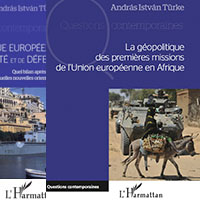
We are looking for sponsors for the English translation of these books, please contact turkeandras(at)gmail(dot)com